Effluent Treatment Plant (ETP): Process, Benefits & Industrial Applications
With rapid industrial growth, wastewater management has become a major challenge for industries. An Effluent Treatment Plant (ETP) plays a crucial role in treating industrial wastewater, removing harmful pollutants, and ensuring safe discharge or reuse of water. Moreover, ETP systems help industries comply with pollution control norms and reduce environmental impact.
What is an Effluent Treatment Plant (ETP)?
An Effluent Treatment Plant (ETP) is a specialized system designed to treat wastewater generated from industrial processes. This wastewater often contains chemicals, oils, heavy metals, and organic pollutants that cannot be released directly into the environment. Therefore, ETP systems use physical, chemical, and biological treatment methods to make wastewater safe for disposal or reuse.
Additionally, installing an ETP helps industries meet guidelines issued by the Central Pollution Control Board (CPCB) and respective State Pollution Control Boards, such as MPCB.
Effluent Treatment Plant Process
1. Preliminary Treatment
In this stage, large solids, floating materials, oil, and grease are removed using screens, grit chambers, and oil skimmers. This helps protect downstream equipment from damage.
2. Primary Treatment
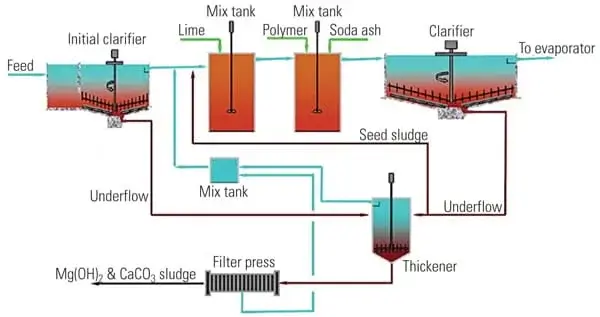
The Effluent Treatment Plant uses chemical treatment and sedimentation to remove suspended solids. operators add coagulants and flocculants to improve solid separation.
3. Secondary (Biological) Treatment
Biological treatment uses microorganisms to break down organic pollutants present in wastewater. This stage significantly How STP Works: Key Processes Explained reduces BOD and COD levels.
4. Tertiary / Advanced Treatment
To achieve higher water quality, advanced processes such as filtration, RO systems, and polishing units are used. This treated water can be reused for cooling, washing, or other industrial applications.
Benefits of Installing an Effluent Treatment Plant
-
Ensures compliance with pollution control board norms
-
Enables reuse of treated water and reduces freshwater demand
-
Minimizes environmental impact
-
Reduces wastewater disposal and operational costs
-
Improves long-term efficiency and sustainability
ETP vs Zero Liquid Discharge (ZLD) System
While an ETP treats wastewater and allows partial reuse, a Zero Liquid Discharge (ZLD) system goes a step further by recovering and reusing almost 100% of wastewater. ZLD systems are ideal for industries facing strict environmental regulations and water scarcity.
Industries That Require Effluent Treatment Plants
ETP systems are widely used in industries such as:
-
Textile and dyeing units
-
Pharmaceutical industries
-
Chemical manufacturing plants
-
Food and beverage processing units
-
Power plants and heavy industries
Importance of Proper Installation, Operation & Maintenance
The efficiency of an Effluent Treatment Plant depends heavily on correct installation, skilled operation, and regular maintenance. Professional installation and commissioning ensure optimal performance, while routine maintenance helps prevent breakdowns and extends equipment life. Proper training also ensures smooth day-to-day operation of the plant.
Conclusion
In conclusion, an Effluent Treatment Plant (ETP) is an essential investment for industries aiming to meet environmental compliance, reduce water consumption, and improve sustainability. With the right technology, expert support, and proper operation, industries can achieve efficient wastewater management and long-term benefits.
Contact Us for Effluent Treatment Plant Design & Consultation