Preventive Maintenance is essential for maintaining the efficiency, safety, and reliability of water treatment systems used in industrial and commercial applications. Preventive maintenance focuses on planned inspections, routine cleaning, and timely servicing to prevent unexpected failures and costly downtime. Moreover, preventive maintenance ensures consistent water quality, improves equipment life, and supports regulatory compliance.
According to the Central Pollution Control Board (CPCB), regular preventive maintenance plays a key role in meeting environmental and operational standards in water treatment plants . Additionally, industries often integrate preventive maintenance with advanced Water Treatment Systems to achieve long-term performance and sustainable operations.
What Is Preventive Maintenance?
-
This maintenance strategy applies to various water treatment systems such as:
-
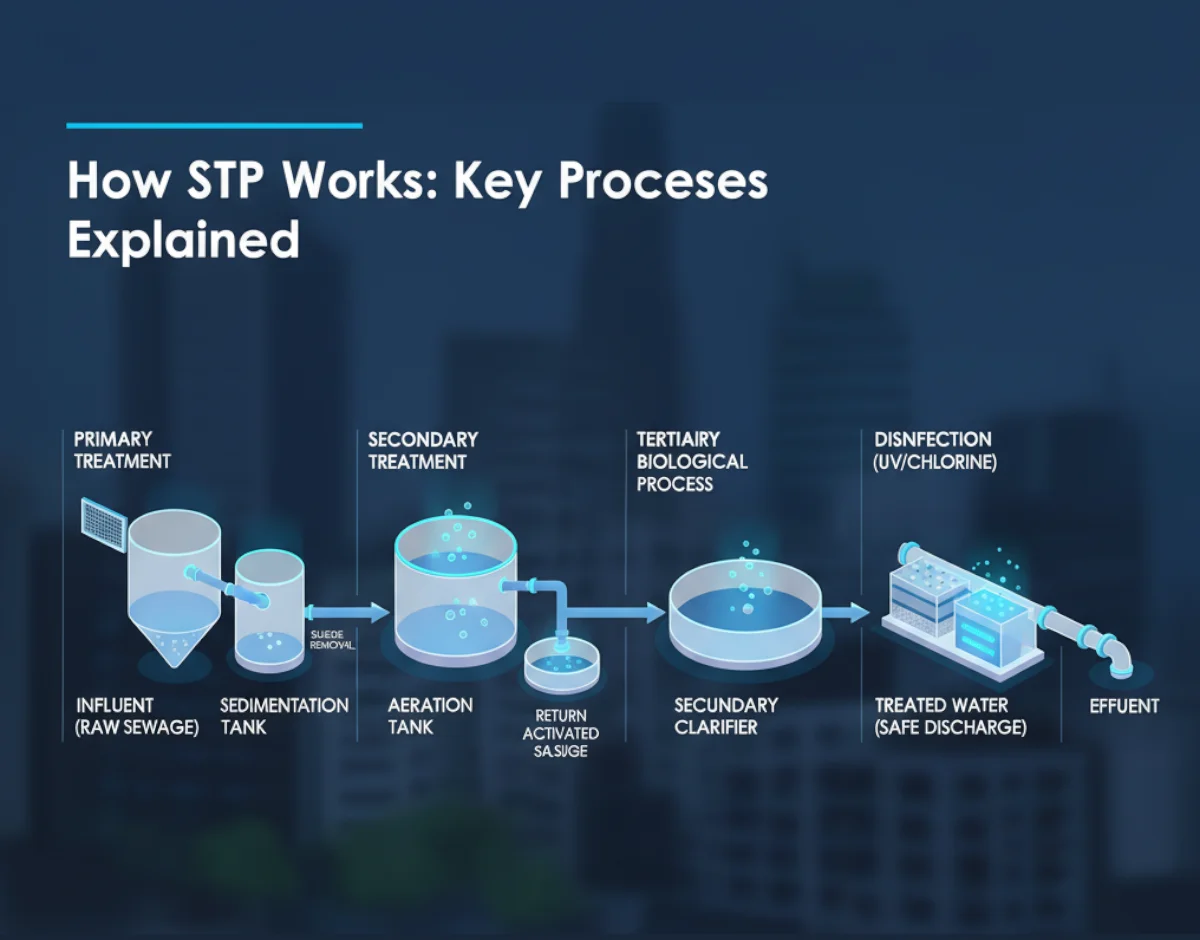
STP (Sewage Treatment Plants)
-
ETP (Effluent Treatment Plants)
-
RO and UF systems
-
ZLD systems
As a result, industries achieve uninterrupted operation and improved process efficiency.
-
Why Preventive Maintenance Is Important in Water Systems
Key Benefits of Preventive Maintenance
- Zero Production Downtime
- Stable and Consistent Water Quality
- Longer Life of Membranes, Pumps & Motors
- Reduced Energy & Chemical Consumption
- Compliance with PCB/CPCB Environmental Standards
- Lower Operating & Breakdown Cost
What Happens Without Preventive Maintenance?
If water treatment systems are not serviced regularly, multiple technical and operational issues can arise, such as:
- Membrane Fouling or Scaling in RO Plants due to dissolved salts and contaminants.
- Bacterial Growth if filters or aeration tanks are not cleaned.
- Pump Failures caused by pressure imbalance or motor overload.
- Poor Treated Water Quality, making the system non-compliant with CPCB/PCB norms.
- Higher Energy Consumption due to inefficient performance.
- Unexpected Shutdowns, affecting daily operations and production.
These issues directly lead to increased cost, system downtime, and unsafe water quality.
Activities Involved in Preventive Maintenance
Preventive maintenance includes a combination of mechanical, chemical, and electrical servicing. Common activities include:
- Membrane Cleaning & Dosing Adjustment
- Filter Backwashing and Media Replacement
- Pump Servicing & Lubrication
- Sensor & Flow Meter Calibration
- Checking Sludge Handling in STP/ETP
- Pipe Flushing & Replacement of Worn Parts
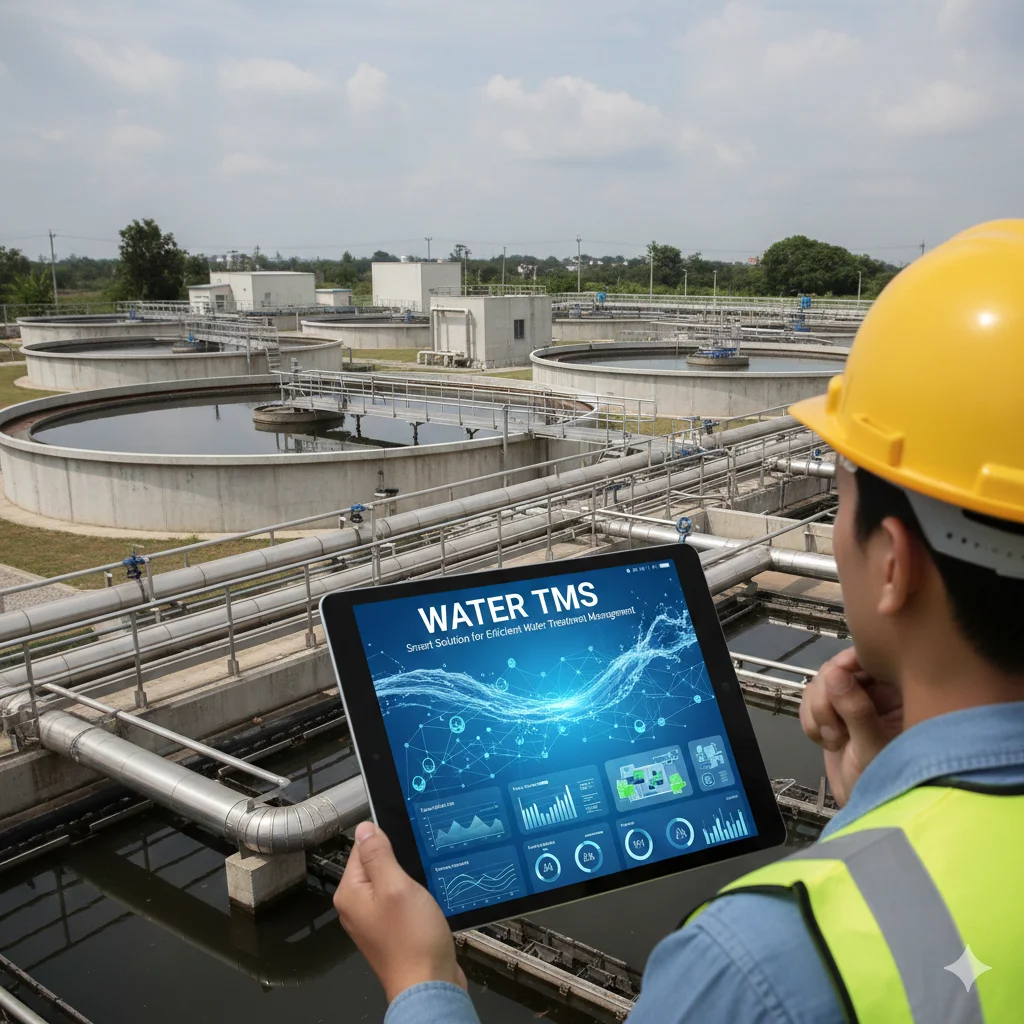
- Checking Pressure, TDS, DO, MLSS, pH, and other parameters
- Disinfection to control bacteria and fouling
These steps help maintain system hygiene, operational safety, and water consistency.
Importance for Industrial & Commercial Operations
Industries depend on water systems for processes like cooling, steam generation, product manufacturing, cleaning, and recycling. Even a few hours of system shutdown can affect production, leading to heavy financial losses. Preventive maintenance ensures:
- Continuous water supply
- Controlled water quality parameters
- Zero environmental violations
- Stable production rate
- Reduced breakdown losses
Preventive maintenance is no longer a choice—it is a mandatory requirement for industries seeking sustainable and cost-efficient production.
FAQs: Preventive Maintenance in Water Treatment Systems
1) Why is preventive maintenance important for water treatment plants?
Preventive maintenance ensures long-term system performance by reducing breakdowns, improving treated water quality, and extending the life of membranes, media, pumps, and sensors. It also helps industries and residential systems maintain compliance with environmental regulations.
2) How often should water treatment systems be serviced?
The frequency depends on system type and water load:
- Weekly: Basic inspection and parameter check (TDS, pH, MLSS, DO)
- Monthly: Filter cleaning, backwash, chemical dosing review
- Quarterly: Membrane cleaning, resin regeneration, flow calibration
- Annually: Full system overhaul, pump and motor service
3) What happens if maintenance is skipped?
Skipping preventive maintenance can lead to:
- Membrane scaling and fouling
- Bacterial growth in tanks
- High operational cost
- Pump or blower failure
- Production downtime (in industries)
- Poor water quality and regulatory violations
4) Which systems require preventive maintenance?
Preventive maintenance is required for:
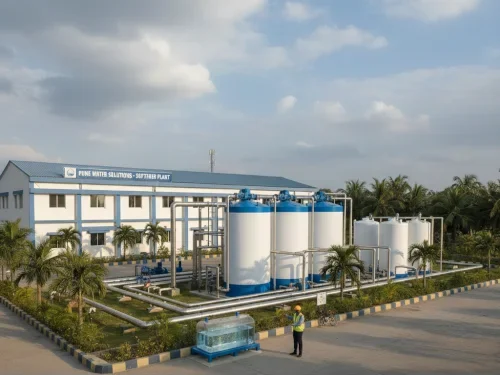
- RO/DM/Softener systems
- STP (Sewage Treatment Plant)
- ETP (Effluent Treatment Plant)
- WTP (Water Treatment Plant)
- ZLD (Zero Liquid Discharge)
- Cooling Tower Water Treatment
- Commercial RO Systems
Preventive Maintenance is a vital practice for ensuring the efficiency, safety, and longevity of water treatment systems. In conclusion, industries that adopt a structured preventive maintenance program benefit from reduced downtime, consistent water quality, regulatory compliance, and long-term cost savings. Investing in preventive maintenance ultimately leads to sustainable and reliable water management.