Common Water Quality Issues: Causes, Effects & Solutions
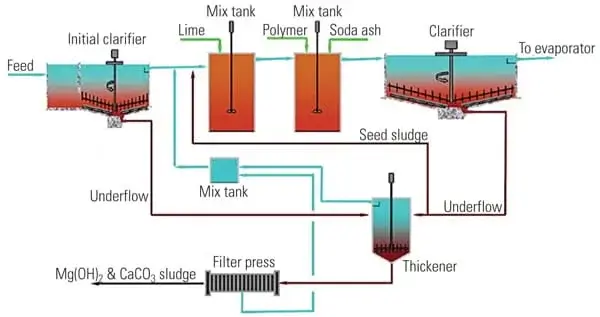
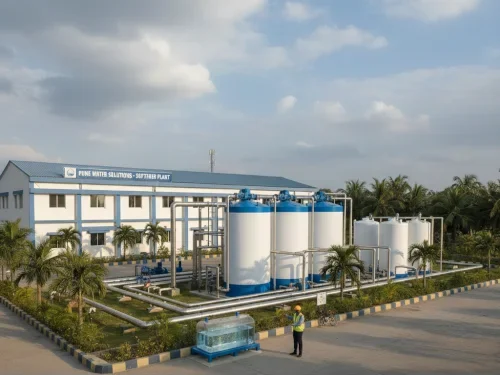
Water Quality Issues are a major concern for residential, commercial, and industrial water users. Poor water quality can affect human health, damage plumbing systems, reduce appliance life, and impact industrial processes. Therefore, understanding common water quality issues and applying the right treatment solutions is essential to ensure safe, clean, and reliable water. The right solution depends on water testing, making it essential to understand the exact problems before choosing a treatment system. When water contains a mix of impurities—like turbidity, hardness, iron smell, organic matter, and microbial load—a multi-stage purification setup becomes essential for reliable treatment. In such cases, large-scale Water Treatment Plants (WTPs) help purify water through processes like coagulation, filtration, carbon treatment, and disinfection, ensuring high-quality water output for societies, hotels, hospitals, and industries.
In many regions, the presence of chemical contaminants such as fluoride, nitrate, and arsenic in groundwater creates serious health risks when consumed for long periods. These contaminants enter water sources through agricultural fertilizers, industrial discharge, and natural geological deposits. High fluoride levels cause dental and bone problems, while excessive nitrates are harmful especially for infants and pregnant women. Specialized treatment solutions like Activated Alumina Filters, RO Systems with anti-scalant dosing, and Fluoride Removal Units effectively reduce chemical contamination and make water safe for consumption. Regular laboratory testing and monitoring are essential to ensure that treated water consistently meets safe drinking standards. According to World Health Organization (WHO) guidelines, maintaining safe water quality is essential to prevent health risks.
Common Water Quality Issues
Different water sources such as borewells, rivers, storage tanks, and municipal supplies often face various quality problems. Moreover, these water quality issues vary depending on location, usage, and source conditions.
- High TDS (Salty or Bitter Taste)
High TDS in water affects taste and can cause scaling in pipelines and appliances. Additionally, excessive TDS reduces the efficiency of industrial equipment and affects product quality in manufacturing processes.
- Hard Water (Scaling & Deposits)
Hard water contains high levels of calcium and magnesium salts. As a result, it leads to scale formation in geysers, boilers, washing machines, and pipelines, which reduces heat transfer efficiency and increases energy consumption.
- Bacterial Contamination
Water can contain harmful bacteria and microorganisms due to improper storage or contaminated sources. Consequently, bacterial contamination may cause health issues such as diarrhea, cholera, and other waterborne diseases.
- Turbidity (Cloudy Water with Mud/Silt)
Turbidity occurs due to sand, mud, silt, or pipeline leaks. It makes water look cloudy, clogs filters quickly, and reduces the life of RO systems.
- Iron Contamination (Yellowish/Metallic Water)
High iron in groundwater results in yellowish stains on tiles, basins, and laundry. It creates metallic taste and unpleasant odor.
- Chemical Impurities (Fluoride, Nitrate, Arsenic)
Chemical impurities such as fluoride, nitrate, and arsenic can enter water from natural sources or industrial discharge. Prolonged exposure may cause serious health problems, making treatment essential.
Solutions for Major Water Quality Issues
High TDS (Salty Taste)
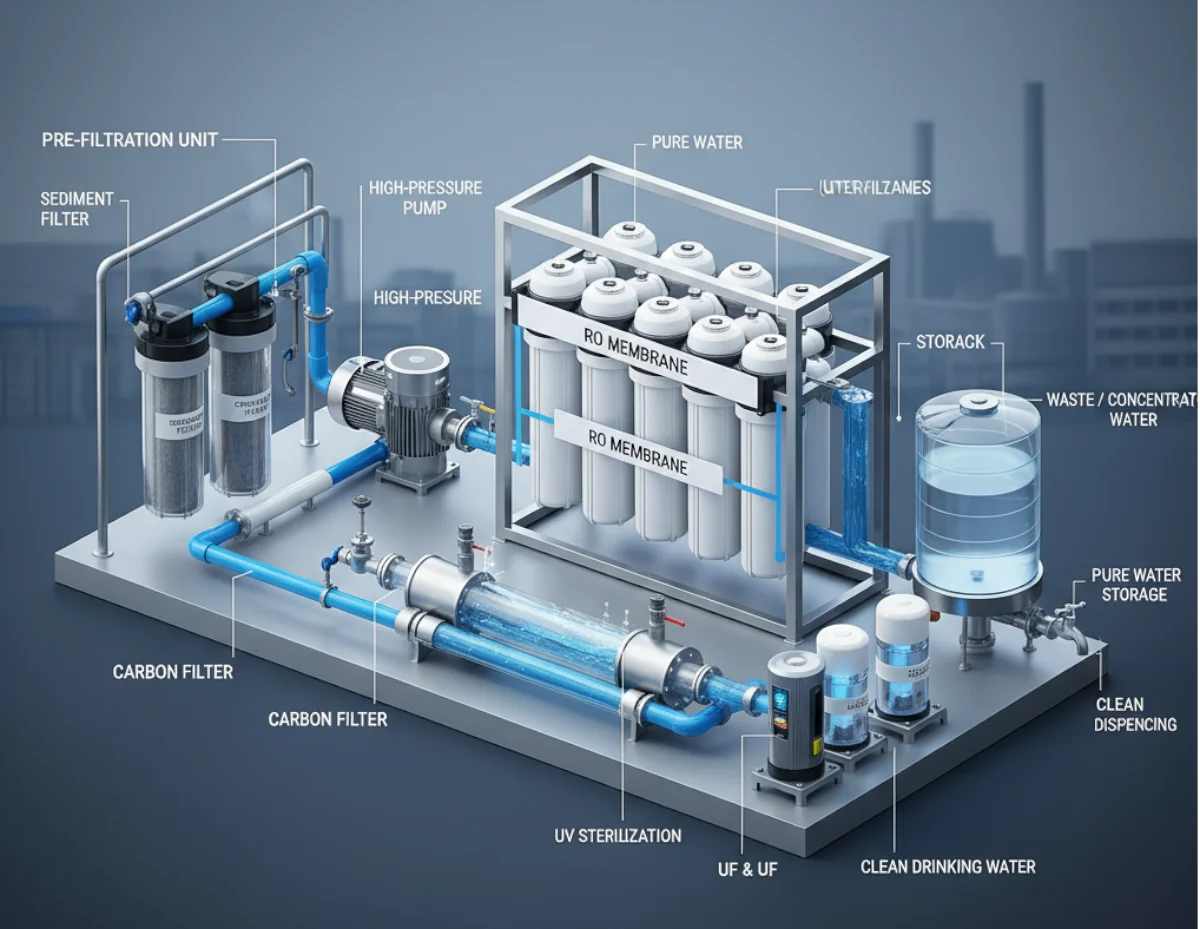
- Reverse Osmosis (RO) Plant
- Anti-scalant dosing for >1200 TDS
Hard Water
- Water Softener (Ion Exchange)
- used for: Homes, hotels, industries, laundries.
Bacterial Contamination
- UV/UF Disinfection
- Chlorination (Large systems)
Turbidity / Suspended Solids
- Sand Filter + Cartridge Filter
Iron & Metallic Taste
- Iron Removal Filters + Carbon Filter
Chemical Contaminants (Fluoride, Nitrate, Arsenic)
- Activated Alumina Filters + RO
Advantages of Proper Water Treatment
- Safe Drinking Water – Eliminates harmful bacteria, viruses, and chemical contaminants, making water safe for consumption.
- Better Taste and Odor – Removes iron, sulfur, and other substances that cause unpleasant taste or smell.
- Protects Appliances & Plumbing – Reduces scaling and corrosion caused by hard water, extending the lifespan of pipes, boilers, and water-using appliances.
- Health Benefits – Prevents waterborne diseases and long-term health issues caused by chemicals like fluoride, nitrates, and arsenic.
- Environmental Compliance – For industries and large facilities, ensures treated water meets environmental discharge standards.
- Consistent Water Quality – Multi-stage treatment ensures clean water even during seasonal changes or contamination spikes.
Applications of Water Treatment Systems
Residential Use
- RO, UV/UF & softeners for safe drinking and bathing water.
- Removes hardness, bacteria, TDS, and bad odor.
Commercial Buildings
- Hotels, hospitals, offices use central purification systems.
- Ensures hygienic water for cooking, washing & cooling systems.
Industrial Use
- RO, Softener, ETP, ZLD for manufacturing processes.
- Provides pure water and treats wastewater for reuse.
Health & Environmental Impact of Proper Water Treatment
Health Benefits
- Removes harmful bacteria, viruses, and chemicals like fluoride, arsenic & nitrates.
- Prevents diseases such as diarrhea, cholera, and skin infections.
- Improves taste, smell, and safety of drinking water.
- Protects children, pregnant women, and elderly from toxic contaminants.
Environmental Benefits
- Reduces pollution by treating wastewater before discharge.
- Protects rivers, soil, and groundwater from contamination.
- Enables water recycling, reducing freshwater usage.
- Helps industries follow environmental laws and reduce chemical waste.
FAQs: Common Water Quality Issues & Their Solutions
Que.1. What are the most common water quality problems found in households and industries?
The most common water quality issues include high TDS, hard water, bacterial contamination, turbidity, iron, and chemical impurities.
Que.2. How can I identify which water treatment system is suitable for my requirement?
The right solution can only be selected after proper water quality testing. A detailed water analysis report helps determine the level of TDS, hardness, iron, pH, and contaminants,
Que.3. What causes hard water and how can it be treated?
Hard water is caused by high levels of calcium and magnesium salts. It results in scaling on taps, pipelines, boilers, and appliances, reducing efficiency. Installing a Water Softener System using ion exchange technology helps reduce hardness and protects equipment.
Que.4. Why does water sometimes have a yellow or metallic taste?
This usually happens due to dissolved iron in groundwater or rust formation inside old pipelines. An Iron Removal Plant or Sand & Carbon Filtration system effectively removes iron particles and improves taste, color, and odor.