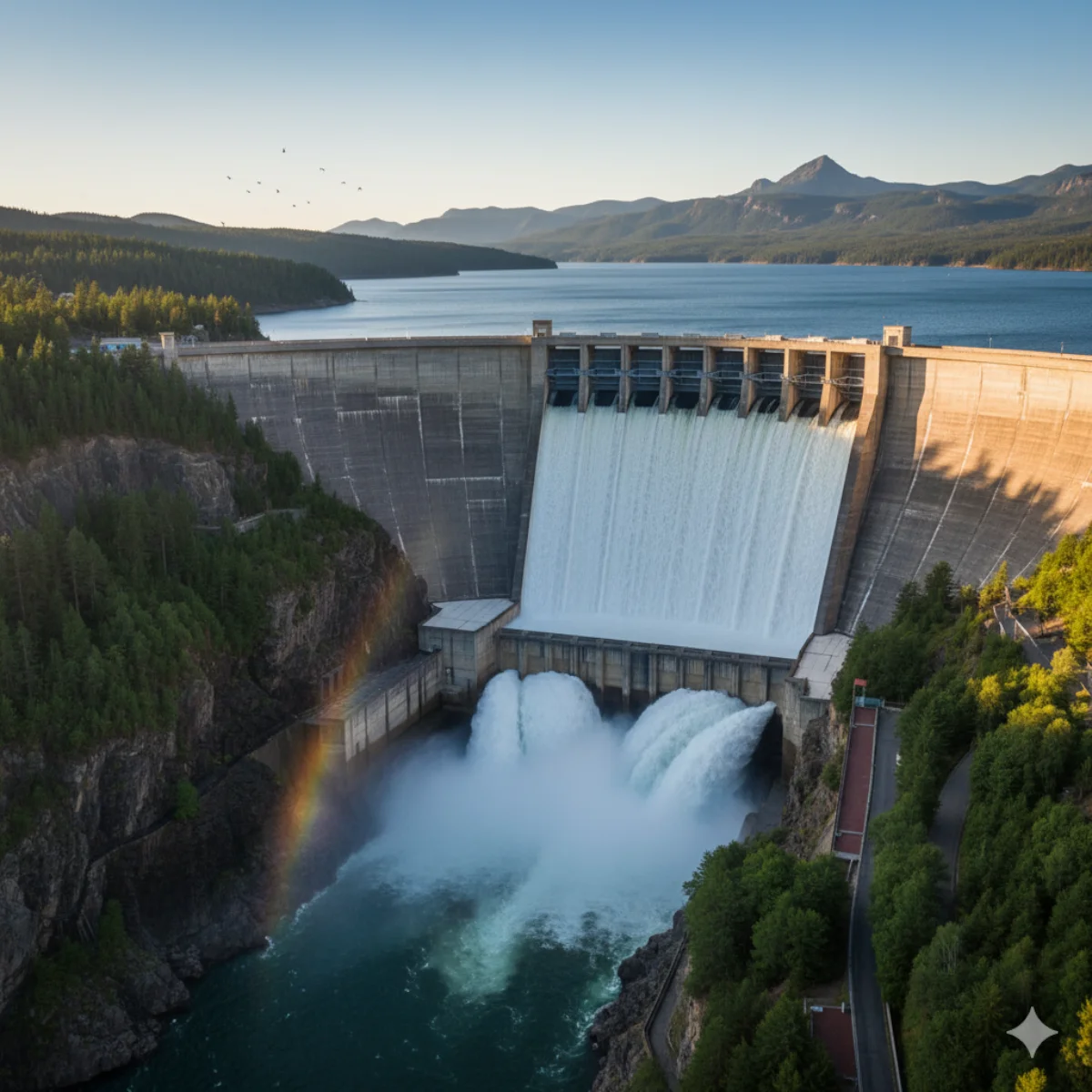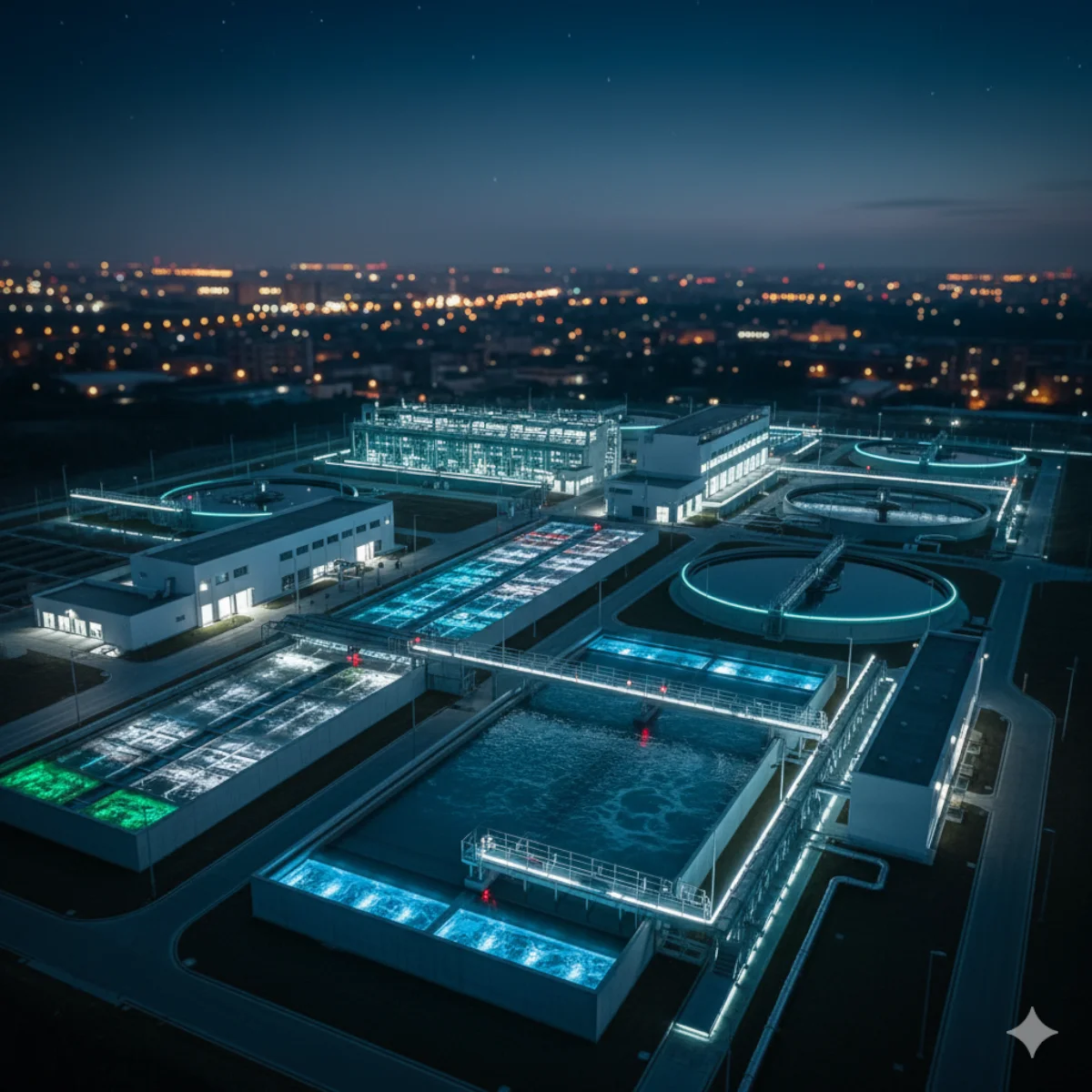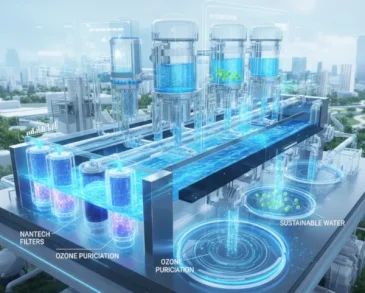
The water treatment industry has evolved rapidly due to rising pollution levels, industrial waste, and increased demand for clean water. Modern technologies such as membrane filtration, ultrafiltration, UV disinfection, nanotechnology-based purification, and automated monitoring systems have transformed treatment efficiency. These advanced systems not only remove contaminants effectively but also ensure reduced energy consumption and long-term reliability. Smart water-management solutions now make it possible to track water quality in real time, detect impurities instantly, and maintain consistent purity standards. Industrial STPs, ETPs, and RO systems have become more compact, cost-effective, and environmentally friendly. Technologies like Zero Liquid Discharge (ZLD) and water recycling significantly reduce water wastage and help industries conserve natural resources. These advancements are shaping a future where clean water becomes more accessible and sustainable for communities and industries.
Modern water treatment solutions focus not only on purification but also on long-term sustainability and maintenance efficiency. Large-scale industries, commercial complexes, and residential societies now integrate advanced Water Treatment Plants (WTPs) that combine multi-stage filtration, chemical dosing, and disinfection processes to deliver consistent high-quality water. Alongside purification, these plants are designed for easy maintenance and monitoring, ensuring minimal downtime and operational cost reduction. By implementing WTPs, facilities can manage water from multiple sources, including municipal supply, borewells, and rainwater harvesting systems, ensuring safe and reliable water for all applications.
Key Modern Water Treatment Technologies
1. Membrane Filtration Systems
Technologies like UF (Ultrafiltration), NF (Nanofiltration), and MF (Microfiltration) use high-precision membranes to remove suspended solids, bacteria, viruses, and chemical contaminants.
- High accuracy in filtration
- Compact and scalable for all applications
- Works well with RO and advanced disinfection methods
2. UV & Ozone Disinfection
UV and ozone are chemical-free disinfection techniques that destroy bacteria, viruses, algae, and pathogens without altering water properties.
- 99.9% microorganism removal
- No harmful chemical residue
- Safe for potable and process water
3. Nanotechnology-Based Purification
Nanoparticles and nanomembranes help filter extremely fine contaminants and heavy metals at a molecular level.
- Ideal for industrial toxic waste
- Higher efficiency than conventional filters
- Lower operational cost in long run
4. Smart Sensors & Automated Monitoring
Advanced water systems now use sensors and IoT-enabled automation to monitor pH, TDS, turbidity, flow rate, pressure, and contamination in real time.
- Detects impurities instantly
- Reduces manual supervision
- Ensures consistent and compliant water quality
Another major advancement is in wastewater management and recycling for industrial and commercial use. Effluent Treatment Plants (ETPs) now incorporate automation, chemical-free disinfection, and advanced filtration to treat and reuse wastewater efficiently. These systems support regulatory compliance, reduce freshwater demand, and minimize environmental impact by enabling industries to recycle water for processes like cooling, irrigation, and cleaning. Integrating ETPs with modern water treatment strategies ensures sustainable operations while maintaining the highest standards of water quality.
Modern Wastewater Recycling & Resource Recovery
Today’s industrial STPs and ETPs are not only designed to treat wastewater but also to reuse and recover valuable materials. High-efficiency technologies help industries conserve water, reduce discharge, and comply with environmental regulations.
Zero Liquid Discharge (ZLD) Systems
ZLD ensures that no wastewater leaves the facility through multi-stage treatment, evaporation, and reuse.
- 100% wastewater recycling
- Prevents groundwater and surface water pollution
- Helps industries meet strict compliance norms
Industrial & Commercial Water Reuse
Advanced ETPs now treat and reuse water for:
- Cooling towers
- Irrigation & cleaning
- Boiler feed (after treatment)
- Manufacturing processes
Integrated Modern Water Treatment Plants (WTPs)
Residential societies, commercial complexes, and industries rely on integrated Water Treatment Plants to handle diverse water sources like borewells, municipality supply, and rainwater harvesting systems.
Features of Modern WTPs
- Multi-stage filtration with automatic backwash
- Chemical dosing for hardness & pH correction
- UV/ozone disinfection for microbiological safety
- Remote monitoring & data logging
- dLow maintenance & high reliability
These systems provide safe, consistent, and high-quality water while reducing downtime and operational cost.